
If your electric bill was higher than expected this summer, you’re not alone. August is typically one of Minnesota’s warmest months, and when temperatures climb into the 90s or higher, home cooling systems run longer and more frequently to keep homes comfortable. Higher energy use is often the biggest reason bills increase, but it’s only one part of the story.
At Dakota Electric Association, we believe understanding your electric bill is an important part of being an informed member. While the total amount due may seem like a single number, it actually reflects several different costs associated with delivering safe and reliable electricity to your home or business.
The largest factor is often the amount of energy you use. Electricity is measured in kilowatt-hours (kWh), and the more energy your household consumes, the higher your bill will be. During the summer, air conditioning is typically the largest driver of increased energy use. When temperatures climb into the 90s or higher, our cooling systems work harder for longer, consuming significantly more electricity than they do during milder weather.
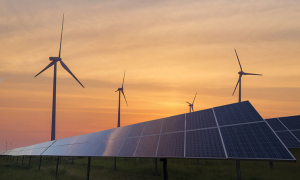
Another major factor is the cost of generating or purchasing electricity. Like many cooperatives in Minnesota, Dakota Electric Association purchases power from Great River Energy. The cost of producing electricity fluctuates based on fuel prices, including natural gas, coal and other energy resources used to generate power. While members don’t see day-to-day changes in wholesale power prices reflected on their bill, these costs influence the long-term cost of providing electricity and are an important factor in maintaining reliable, affordable service.
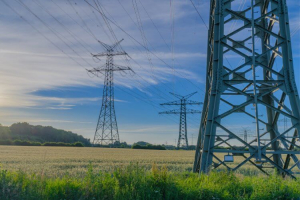
Transmission costs also play an important role in delivering reliable electricity. Before power reaches your home or business, it must travel across a vast network of high-voltage transmission lines that connect generation facilities to Dakota Electric’s local distribution system. Maintaining and upgrading this infrastructure helps ensure reliability, supports growing energy demand, and strengthens the electric grid’s resilience. Like all utility infrastructure, transmission equipment requires ongoing investment to continue delivering electricity safely and efficiently.
Once electricity reaches Dakota Electric’s distribution system, it must be delivered safely and reliably to homes and businesses throughout our service area. Dakota Electric Association maintains the local distribution system, including utility poles, power lines, transformers, substations, and other essential equipment that make this possible.
A portion of your bill is the monthly fixed charge. This flat fee helps cover the cost of maintaining the infrastructure and services required to deliver electricity safely and reliably, including poles, wires, transformers, substations, line crews and system maintenance. Because these costs exist whether a member uses a little electricity or a lot, the fixed charge helps ensure all members contribute fairly to maintaining the electric system.
Hot weather affects more than just household energy use. When electricity demand increases across the region, utilities and grid operators must ensure enough generation is available to meet that demand. Maintaining a reliable electric system during peak use requires careful planning and investment across the grid.
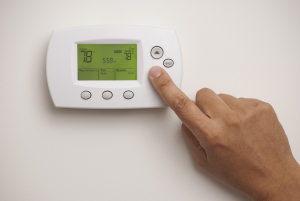
The good news is that simple steps to lower energy use can make a meaningful difference. Setting your thermostat a few degrees higher when you’re away, replacing dirty HVAC filters, using ceiling fans, sealing air leaks, and avoiding the use of major appliances during the hottest parts of the day can help reduce energy consumption, lower your bill, and reduce strain on the local grid during peak demand. Members can also explore Dakota Electric’s energy-saving programs and resources for additionalways to manage energy use.
Dakota Electric Association’s mission is to provide safe, reliable and affordable electricity while being transparent about the factors that impact energy costs. We understand every dollar matters, and we are committed to making smart investments that keep the lights on and support the communities we serve.
Article and graphics provided by NRECA
NRECA is the national trade association representing nearly 900 local electric cooperatives. From growing suburbs to remote farming communities, electric co-ops serve as engines of economic development for 42 million Americans across 56% of the nation’s landscape.