
Smart technologies make our homes more comfortable, convenient, and energy efficient. By connecting to your home Wi-Fi network, smart devices automate everyday tasks like lighting, heating, cooling, and home security—they can even communicate with other smart devices. Although not all smart home products are specifically designed for energy savings, several innovative technologies can help reduce your home’s energy consumption. Here are the top three smart home devices to assist you in saving energy.
Smart Thermostats
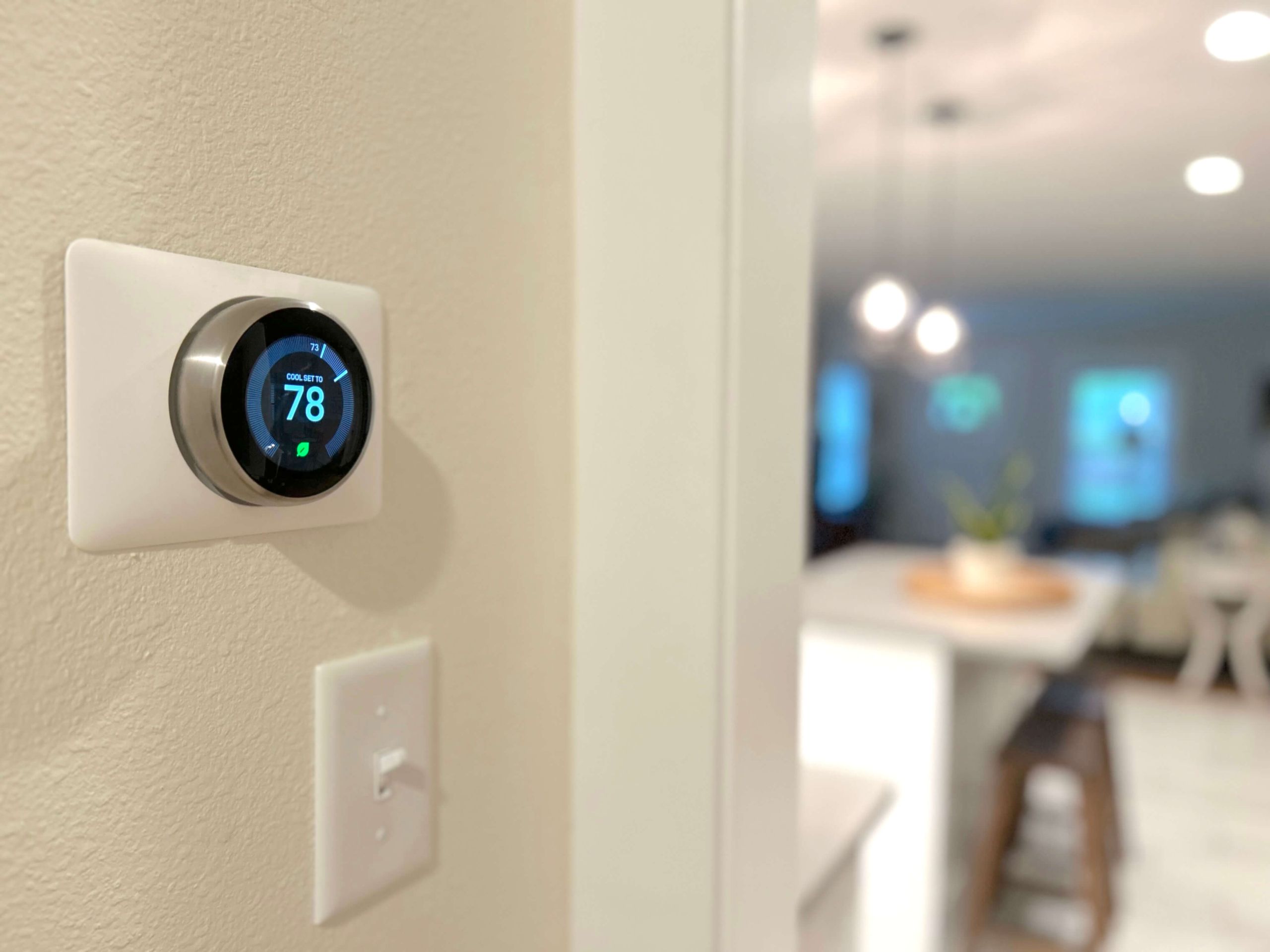
Smart or not, your thermostat is the most effective tool for managing energy use, since heating and cooling usually make up the most significant portion of energy bills. Smart thermostats let you change the indoor temperature through an app, giving you complete control from anywhere. Many smart thermostats have learning features that automatically adjust based on your previous behavior and patterns. According to the Department of Energy, smart thermostats can cut heating and cooling costs by over 8% annually. Models start at just $65, and they usually pay for themselves within a year. These are among the best smart home devices for energy efficiency because they directly target your home’s most significant energy expense.

Smart Lighting
Smart LED bulbs use less electricity than traditional bulbs and can be scheduled or turned off (or on) remotely through a smartphone app. Smart bulbs come in various shapes, brightness levels, colors, and more, so choose the products that best suit your home lighting needs. Many smart bulbs feature motion sensors that turn lights on or off based on room activity, improving home energy efficiency. If you’re new to intelligent lighting, consider starting with a home starter kit. Prices for kits range from $70 to $300+, depending on how many bulbs you need. Upgrading to smart lighting is a simple example of how to save electricity with smart technology while adding convenience to your daily routine.
Smart Plugs
Smart plugs are affordable devices that help you save energy. Many electronic gadgets use power even when they are turned off, known as “phantom load,” which can increase your energy bills. Smart plugs are plugged into an outlet and connected to your Wi-Fi network. Once set up, they can cut or restore power to non-smart devices like coffee makers, phone chargers, and other items that draw phantom load. Many smart plugs can be paired with popular smart hubs like Alexa or Google Nest, or controlled through the plug’s app. They are easy to use, and a set of four can cost as little as $25. Smart plugs are a budget-friendly way to reduce energy bills with smart home devices while also cutting wasted power.

Save Even More with Energy Rebates and Load Management Programs
Consider these affordable and convenient smart home technologies if you’re looking for new ways to save energy. Dakota Electric rebates are available on many electric appliances, along with energy savings programs that can help you reduce your electrical use. Combining rebates with smart home energy savings strategies makes upgrading to smart devices even more cost-effective.
This article was provided by Abby Berry. Berry writes on consumer and cooperative affairs for the National Rural Electric Cooperative Association, the national trade association representing nearly 900 local electric cooperatives. From growing suburbs to remote farming communities, electric co-ops serve as engines of economic development for 42 million Americans across 56% of the nation’s landscape.