
Conserving electricity during peak energy use times not only lowers your monthly bill, but it can also benefit our entire community.
“Peak times” refer to periods of the day when the electricity demand is highest. Think early mornings when people are getting ready for work or school and evenings when families return home, cook dinner and unwind with electronics. When everyone uses energy at once, it adds pressure on the electric grid.
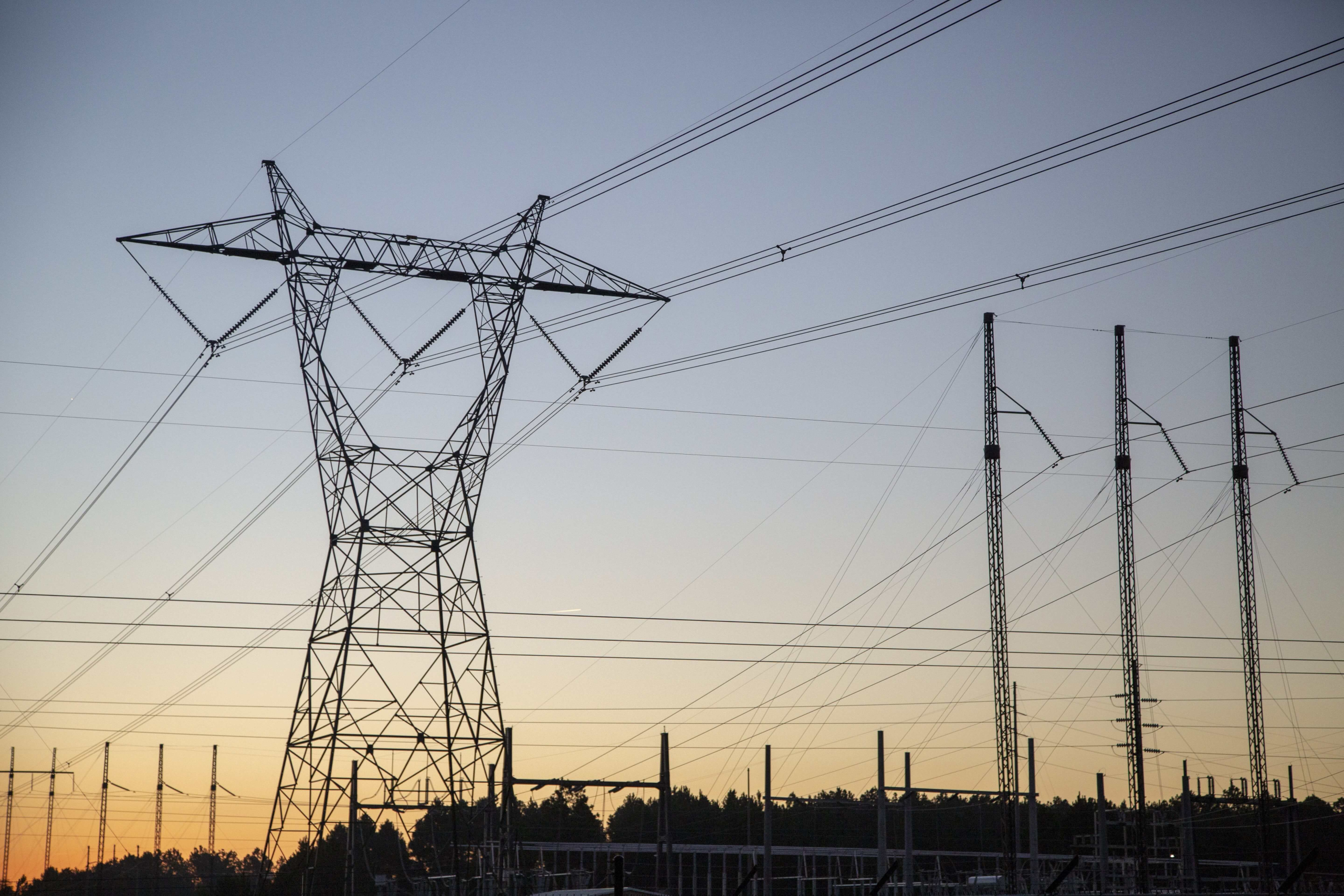
Dakota Electric works around the clock to ensure electricity flows to your home whenever needed. Behind the scenes, an enormous and intricate system is at work—one of the most complex machines in the world: the U.S. power grid. The grid comprises three major interconnections that span the country, each managing supply and demand through regional authorities to keep the lights on and our economy running smoothly.
Electricity comes from a diverse mix of sources—hydropower, natural gas, coal, solar, wind and more. Some power plants can respond quickly to spikes in demand, while others are less flexible. Once energy is generated, it travels through high-voltage transmission lines to local utilities, like Dakota Electric, which then delivers it to your home or business through distribution power lines.
When electricity demand surges during peak times, generating or purchasing power is more expensive. That’s why using less energy during peak hours is more important than ever. It eases strain on the grid and helps you save money.
So how can you “beat the peak”?
- Adjust your thermostat a few degrees during peak hours. Smart thermostats can automate this for you.
- Delay using energy-hungry appliances like ovens, clothes washers and dishwashers until later in the evening.
- Charge your electric vehicle overnight instead of right after you get home.
Small actions taken by many households can lead to significant results. When we all work together to reduce energy use during peak times, we protect our power grid, help control costs and ensure reliable electricity for our communities.
Article provided by NRECA
The National Rural Electric Cooperative Association is the national trade association representing more than 900 local electric cooperatives. From growing suburbs to remote farming communities, electric co-ops serve as engines of economic development for 42 million Americans across 56% of the nation’s landscape.