
Save Energy, Save Money
We all rely on safe and reliable energy to perform many tasks throughout our day, but no one likes to pay a high energy bill. This page has resources to help you save energy and save money. Being a smarter energy consumer starts with understanding your bill and the factors that contribute it. Once you have a better grasp on this, take power into your own hands with our energy saving tips, rebates, & more. With MyDEA, you have the ability to dive deep into your hour-by-hour usage, setup alerts for high usage, get bill notifications, submit rebates and more. Lastly, learn more about a home energy audit and how nearly every home could benefit from having experts optimize your home’s efficiency and finding you more ways to save.
Understanding Your Bill
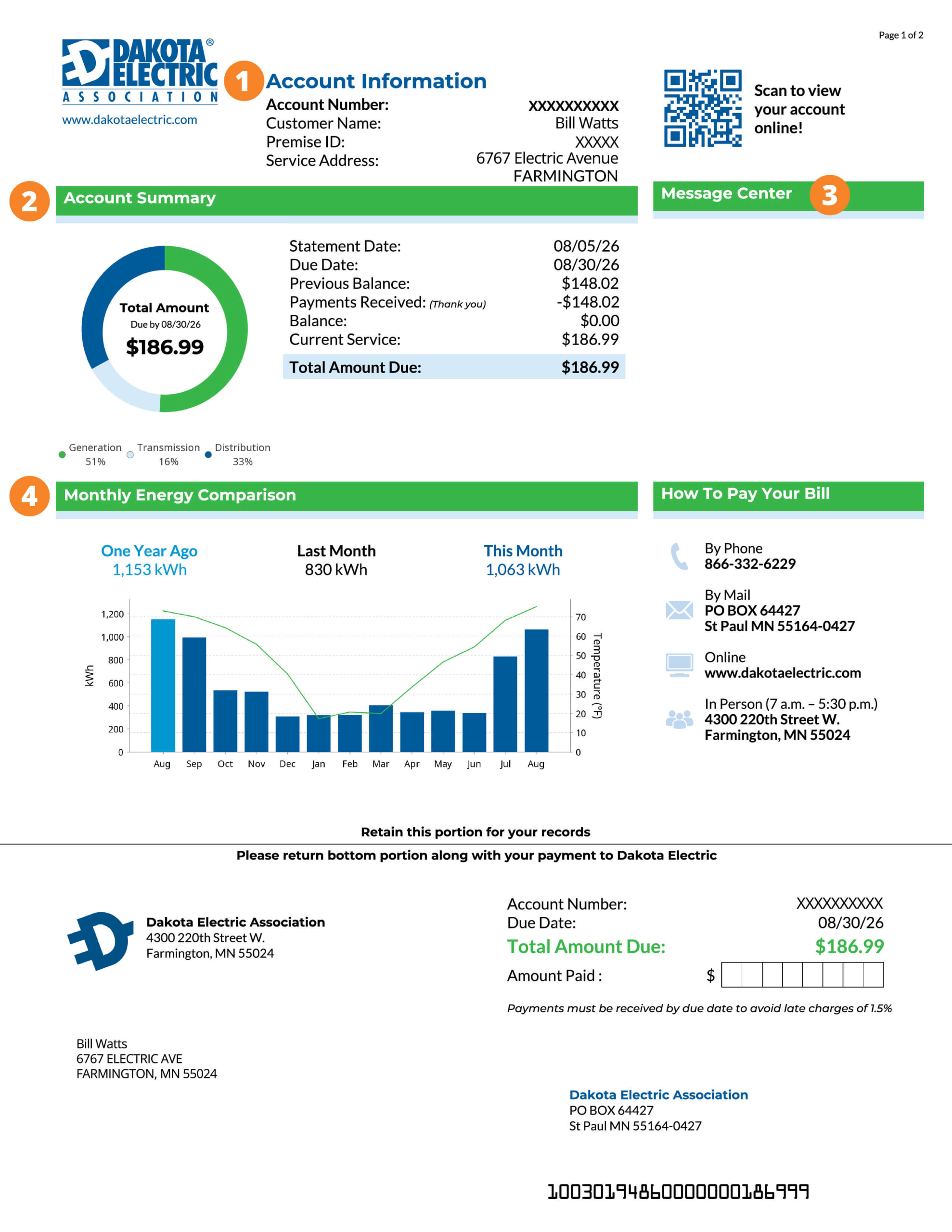
Understanding the different components of your electric bill is an important part of being an informed member. Though monthly service charges and transmission costs are part of your bill, the largest factor that affects your bill is the amount of energy (kWh) you use.
Electric bills are based on past energy use, and it helps to understand the bill you receive today typically reflects electricity used several weeks earlier. If your bill is higher than expected, consider the temperatures, heating or cooling needs, and household activities that occurred during that billing period.
When comparing monthly bills, be sure to review the meter “read dates” to know how many days your bill covers since some bills may include more days than others.
For a more detailed explanation of each component of your bill, click the bill image.
Reasons for a Higher Bill
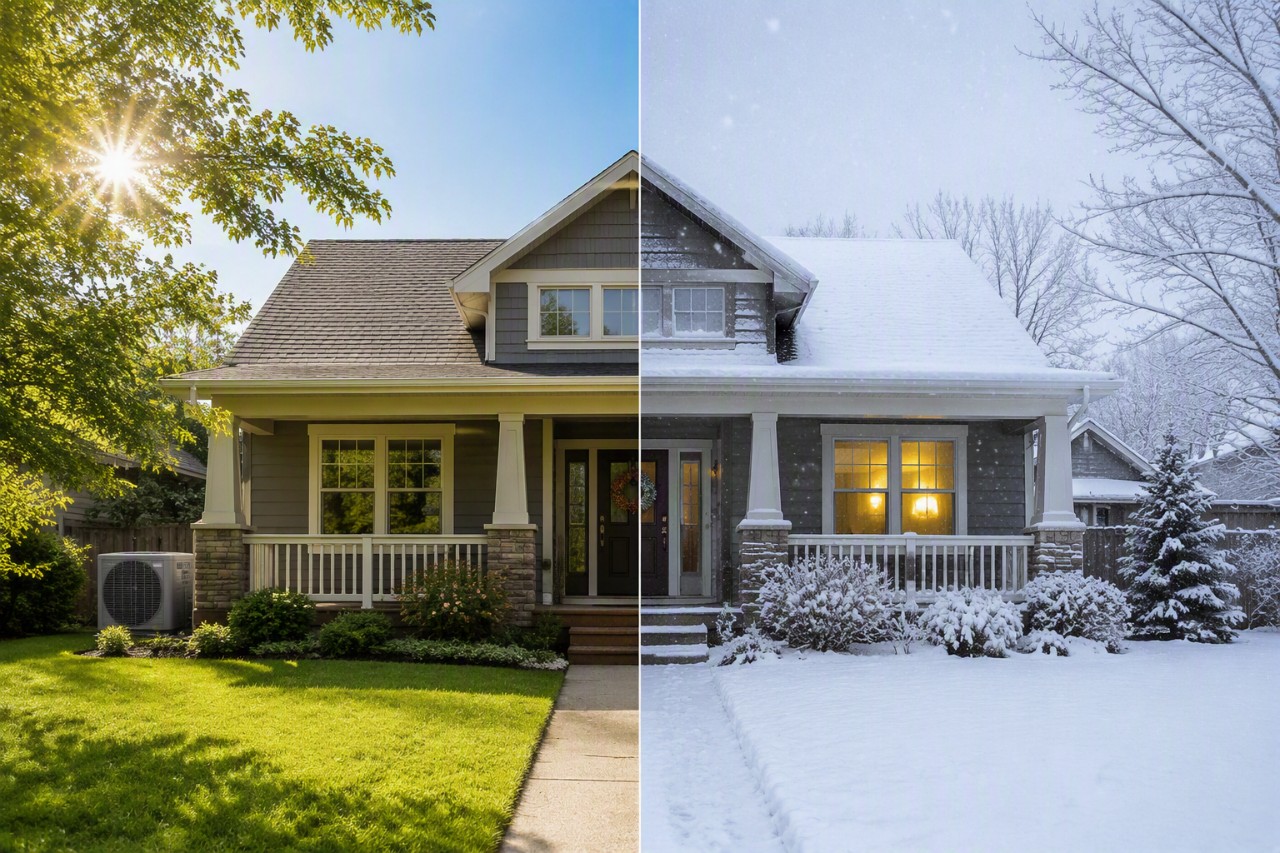
It’s common for electric bills to be higher during the hottest and coldest times of the year when homes require more energy to stay comfortable. During summer, air conditioning is typically the largest driver of increased use, especially when temperatures climb into the 90s or higher.
Throughout the year, Dakota Electric charges a net effective rate of 13.74¢ per kWh used. However, due to increased wholesale energy costs during June, July, and August, Dakota Electric charges a net effective summer rate of 15.14¢ during those three months.
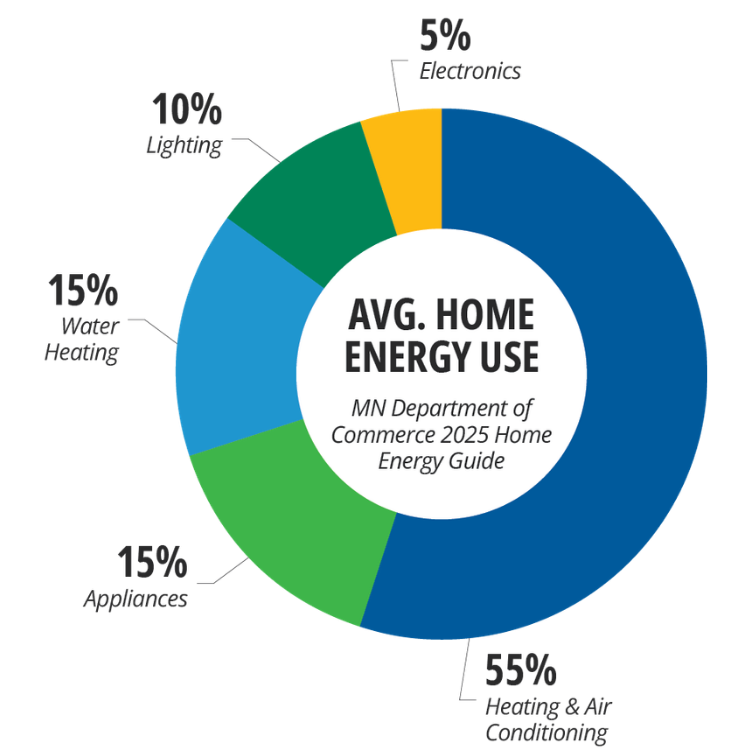
Small changes in temperature, household habits, and daily energy needs can affect your monthly bill. Understanding these factors can help you better manage your bill and make informed decisions throughout the year. The pie chart below helps you visualize where a typical home’s energy use comes from. Be sure to check out the energy cost calculator next to it if you’d like to know how much energy is used by a specific appliance of yours.
How Much Does This Appliance Cost To Use Every Month?
The Electricity Cost Calculator is a handy tool to determine how much a particular appliance costs to operate. Use the calculator or follow the formula below to calculate an appliance’s energy cost on your own.
Step 1: Your electric bill is determined by the number of kilowatt-hours (kWh) used during a billing period. For 2025, the average kWh cost was 13.74¢.
Step 2: To determine the cost of using a specific appliance, find the appliance’s wattage on the serial plate. If only volts and amps are listed, multiply them together to determine the wattage.
For example: 120 volts x 12.1 amps = 1452 watts
Step 3: Use the formula shown in the following example to estimate use and cost. A light uses 100 watts and is left on for 24 hours. How many kWh are used and what does it cost you?
kWh used = (100 watts x 24 hours) / 1000 watts = 2.4 kWh
Your cost = 2.4 kWh x 13.74¢ = 32.98¢

Energy-Efficiency Savings
Saving energy doesn’t have to require a large up-front investment. Little changes can go a long way.
- Use Energy-Efficient Lighting – Switching to energy-efficient LED lighting is one of the easiest ways to lower your energy use. Replacing your home’s most frequently used light bulbs with ENERGY STAR® certified LEDs can help reduce energy costs while providing the same quality light and a longer bulb life.
- Window Curtains, Drapes, or Blinds – Let the sun work for you. In winter, open window coverings to bring in free warmth from the sun. In summer, close them to keep the sun’s heat out and reduce cooling costs.
- Operate Your Thermostat Efficiently – Installing a smart or programmable thermostat can maximize energy savings when you are home, asleep, or away. Adjust the temperature in your home by five to eight degrees Fahrenheit (down in winter, up in summer) to help save energy.
- Heating & Cooling System Maintenance – Changing your furnace filters monthly, or per manufacturer guidelines, will not only prolong the life of the furnace but it will also decrease your energy use. Also, have your heating and cooling system tuned up regularly and be sure to take advantage of our $25 rebate for AC tune-ups. If you heat your home with warm-air registers, baseboard heaters or radiators, remember to clean them regularly to increase efficiency.
- Lower Water Heating Costs – Set water heater temperature no higher than 120 degrees and insulate exposed hot water lines. If you have an electric water heater, consider putting it on our Energy Wise® Load Management Program
- Stop Air Leaks – Use caulk and weather stripping around drafty doors and windows to prevent air from escaping your home, causing your heating and cooling system to work harder.
- Turn Stuff Off – Turn off lights, electronics, and fans when you leave a room. Remember, fans cool people, not rooms. Don’t let “energy vampires” suck up your monthly bill.
See Your Electric Usage
MyDEA puts the power of data in your hands so you can take control of your energy usage.
Tracking Daily Usage
MyDEA lets you dig deeper into your electric usage, down to the hour, helping you identify what sources are contributing to your electric bill.
Home Energy Audit
A home energy audit is one of the best ways to understand how your home uses energy and identify opportunities to improve comfort, efficiency and savings. During an audit, energy experts evaluate areas such as insulation, air leaks, heating and cooling equipment, lighting and appliances to uncover issues that may be driving up energy use. The recommendations you receive can help lower energy costs, improve year-round comfort and make your home more energy efficient. Whether you’re looking to reduce your monthly bill or simply learn where your home could be performing better, a home energy audit provides a clear roadmap to smarter energy use.
Home energy audits may be subsidized by your home’s gas supplier and can range in price from $70-150, though you may qualify for a free audit based on income or other factors. Learn more on our Home Energy Audit page.

Energy Wise® Rebates
Did you know Dakota Electric will pay you to have your refrigerator recycled? From light bulbs to HVAC to yard tools, take advantage of our available rebates for going energy efficient.

ENERGY STAR® Appliances
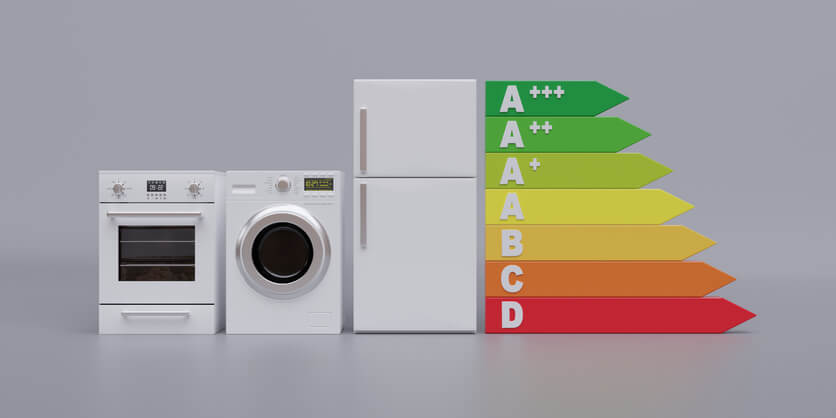
Using Energy Star® appliances in your home is an easy way to save energy and save money.
Load Management
If you are currently enrolled in a load control or cycled air program, click below to view today’s schedule. For more info on joining a program, check out our Energy Wise® Load Management page.