

As we settle into the summer heat, our homes naturally use more electricity. Air conditioners run longer, refrigerators work harder, and daily routines—from cooking dinner to doing laundry—often overlap during the warmest hours of the day. That’s also when electricity demand across our community peaks.
At Dakota Electric Association, our top priority is delivering safe, reliable, and affordable power whenever you need it. But during peak energy hours, the grid faces added pressure as homes and businesses require more electricity at the same time. On the hottest days, that strain can be significant.
The good news is that small changes at home can make a meaningful impact.
Think of our electric grid like a highway system. During rush hour, traffic is heavy, congestion builds, and everything slows down. But when drivers adjust their schedules, even slightly, it helps ease the bottleneck. The same principle applies to energy use.
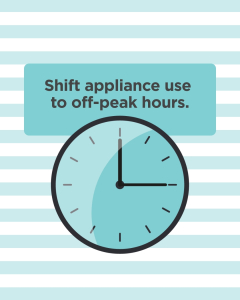
By shifting some of your high-energy activities to off-peak hours—such as doing laundry later in the evening, running the dishwasher before bed, or cooking meals earlier in the day—you can help spread out electricity demand and reduce strain on the grid during critical peak periods. To make it even easier, Dakota Electric offers a variety of load management and EV charging programs that help optimize electricity use and support a more reliable electric system.
Here are a few simple steps you can take to reduce energy use during peak hours.
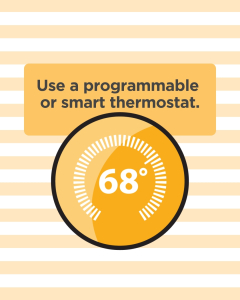
Smart technology can be a valuable partner in saving energy. A programmable or smart thermostat can automatically adjust your home’s temperature during peak hours, helping you stay comfortable while using energy more efficiently. Even a small adjustment of a few degrees during peak hours can make a difference.
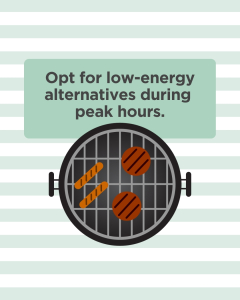
In the kitchen, simple swaps can help, too. Using a slow cooker, air fryer, or outdoor grill instead of the oven keeps your home more comfortable and reduces the need for additional cooling during the warmer parts of the day. And when it comes to laundry, air-drying clothes or spacing out loads can cut down on both energy use and indoor heat.
Don’t overlook the power of ceiling fans, either. They can make you feel several degrees cooler, allowing you to raise your thermostat setting without sacrificing comfort.
These actions may seem small on their own, but together they add up. When many members make mindful choices about when and how they use electricity, it helps reduce peak demand, eases strain on the grid, and supports more stable energy costs for our local communities.
That’s the cooperative difference. As a member, you’re not just a customer—you’re part of a community working together to power our future. Every effort you make strengthens our system and makes it more resilient.
This summer, take a closer look at your daily routines. A few simple shifts can go a long way toward keeping your home comfortable, your energy use efficient, and our grid running smoothly—no matter how high the temperatures climb.
Article and graphics provided by NRECA
NRECA is the national trade association representing nearly 900 local electric cooperatives. From growing suburbs to remote farming communities, electric co-ops serve as engines of economic development for 42 million Americans across 56% of the nation’s landscape.